










CLLSA Logo
Home Membership News Donations Search Contact Us
 
THE ASSOCIATION
Patient Meetings
Contact Us
UNDERSTANDING CLL

Rituximab Shaving Reaction

PATIENT/CARER SERVICES
 

Shaving and Rituximab

Targeting the Sharks

Ronald P. Taylor Professor of Biochemistry and Molecular Genetics, University of Virginia School of Medicine, Charlottesville, Virginia, USA

November 2006

For a print friendly version click the following link: shaving and rituximab print friendly.

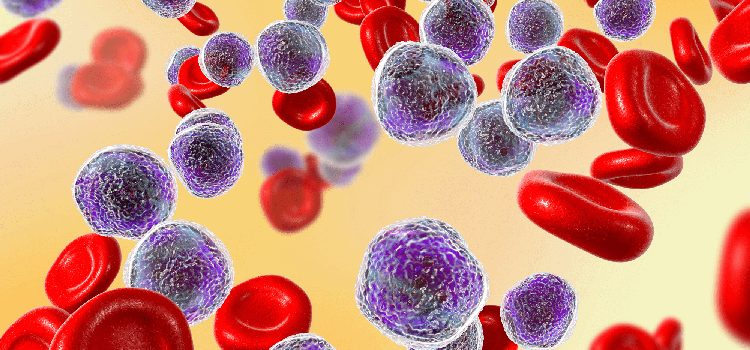
Our work has centered on understanding how cancer cells are destroyed, after they are identified by specific monoclonal antibodies (mAbs), such as Rituximab.  One of the goals of our research is to determine the optimum conditions for the use of mAbs in the immunotherapy of cancer.  In terms of scale, think of the mAb Rituximab as a large “Y”, (a harpoon that is the size of a toothpick) that is stuck to discrete target sites on the CLL cancer cell; the target sites are the size of a coin, and the cancer cell is the size of a shark.  It turns out that in some cases these harpoons can kill the sharks directly, but in many cases the harpoons simply serve as identifying markers, that recruit other key defense agents to kill the shark.  The situation is quite complex, because generally one needs tens of thousands of harpoons in order to recruit the effector mechanisms.  Also, there are at least two places where the sharks can be found: in the bay (bloodstream, where they are most easily targeted by the harpoons) and out in the ocean (lymphatic system, and spleen, targeting is far less efficient).  A large body of evidence indicates that if all the sharks in the bay (bloodstream) are killed/removed, then within ~ 12 hours the bay will be repopulated by sharks from the ocean (lymphatics).  Obviously, one’s goal is to kill all of the sharks in both compartments, and we hope to accomplish this by infusing the optimal dose of Rituximab to target the sharks in the bay, and then to repeat the process and kill more sharks that came in from the ocean, 12-48 hours later.

If all is working properly, at least two types of effector cells, called NK cells and macrophages, “recognize” the sharks (CLL cells) in the bloodstream only AFTER the harpoons are bound, and then these cells kill and remove them, probably in the liver, using their intrinsic killing mechanisms.  The problem is that these effector cells have a finite ability to kill within a given time period, and if outnumbered by sharks with harpoons, they first kill some of them, but later, as the killing capacity of the effector cells is exhausted, a new reaction occurs, and the sharks get “shaved.”  That is, certain effector cells (their identities are still under investigation) strip both the harpoons and the target coins off of the sharks, rendering them “invisible” to Rituximab harpoons, but still highly lethal in the body.  Our studies demonstrate that in ~24-48 hours the killing capacity of the effector cells is restored, but if the sharks are already shaved of targets, additional therapies may be ineffective.  We have found that a possible way to deal with this dilemma is to limit the amount of Rituximab (harpoons) infused, by infusing just enough to only target the sharks in the bloodstream.  In this way, these sharks are killed, and then 1-2 days later, after more sharks with target sites intact have entered the bloodstream, more Rituximab can be infused, and at this time the effector cells are ready to kill again.  The idea is that slow and steady may win the race.  If 5-10% of the sharks are killed on each treatment day, then eventually the reservoir of sharks in the ocean can be cleared, as well as those in the bay.  The approach should allow for slow but continuous killing of sharks, at a rate that is still considerably faster than the rate at which they grow and produce new sharks.  Our findings suggest that intravenous infusion of small amounts of Rituximab (~ 20-35 mg /day) accomplish these goals; current therapies are based on intravenous infusions of  ~ 750 mg once a week for 4 weeks, but we think that in CLL it may be more effective to infuse much lower doses 3 times per week, and possibly 5 times per week.  If the therapy continues to demonstrate promise, it may be possible for patients to inject themselves with Rituximab subcutaneously (rather than intravenously) several times per week, in doses of just 20 mg. In collaboration with colleagues at the National Institute of Health, we are enrolling patients in a trial to examine the feasibility and effectiveness of this subcutaneous low-dose regimen.


Questions or problems regarding this web site should be directed to the CLL Support Association.
Copyright 2008 © CLL Support Association. All rights reserved. Registered Charity: 1113588